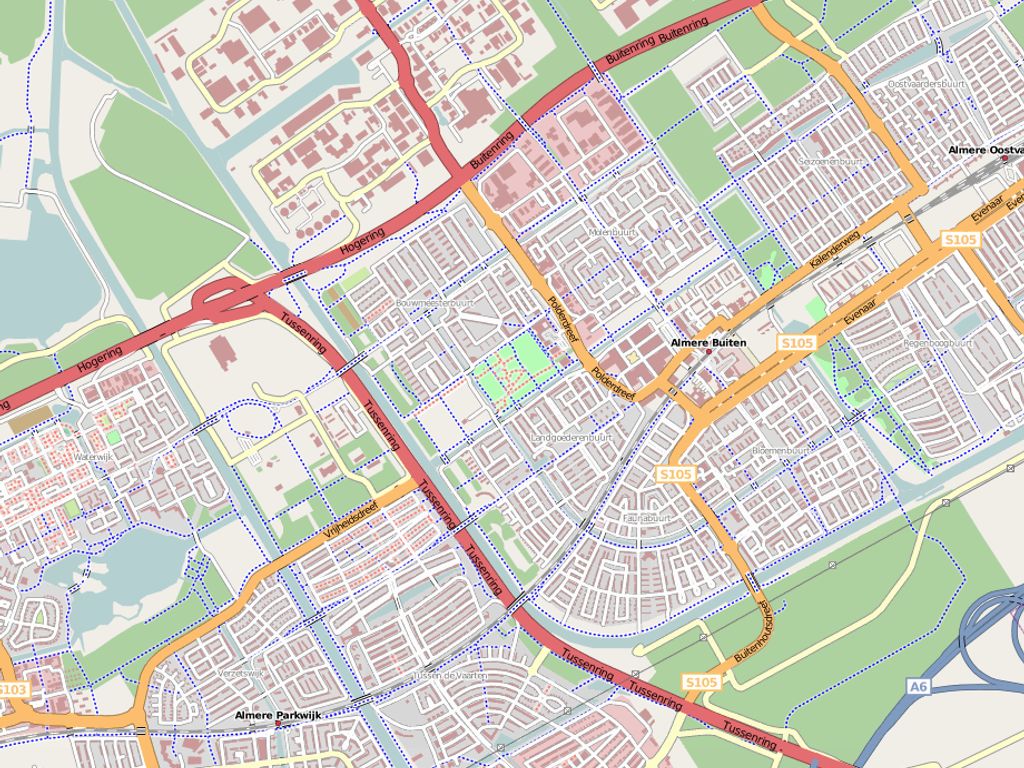
Planet.osm is the raw, unfiltered export of the entire OpenStreetMap database — and for most GIS professionals, it's not the right way to access OSM data. At 70+ GB compressed, it requires specialized tooling (osmium, osm2pgsql) and significant storage to process, and the vast majority of use cases only need data for a specific country or region.
Geofabrik extracts, the Overpass API, or platforms like Atlas that provide direct OSM integration are almost always more practical. Planet.osm exists for the use cases where nothing less than the complete global dataset will do: building worldwide routing engines, running global spatial analysis, maintaining mirror databases, or producing derivative datasets like Overture Maps.
Where planet.osm becomes essential is in infrastructure that needs to stay continuously synchronized with OSM. The weekly full dumps are complemented by daily and hourly diff files, which let downstream systems apply incremental updates without re-downloading the entire planet.
This is how commercial map services, tile servers, and geocoding engines that depend on OSM keep their data current. If you're building or maintaining that kind of system — or need to run a custom global extract that Geofabrik's pre-cut regions don't match — planet.osm is the canonical source. For everything else, start with a regional extract and only scale up to the planet file if your analysis genuinely requires global coverage.
