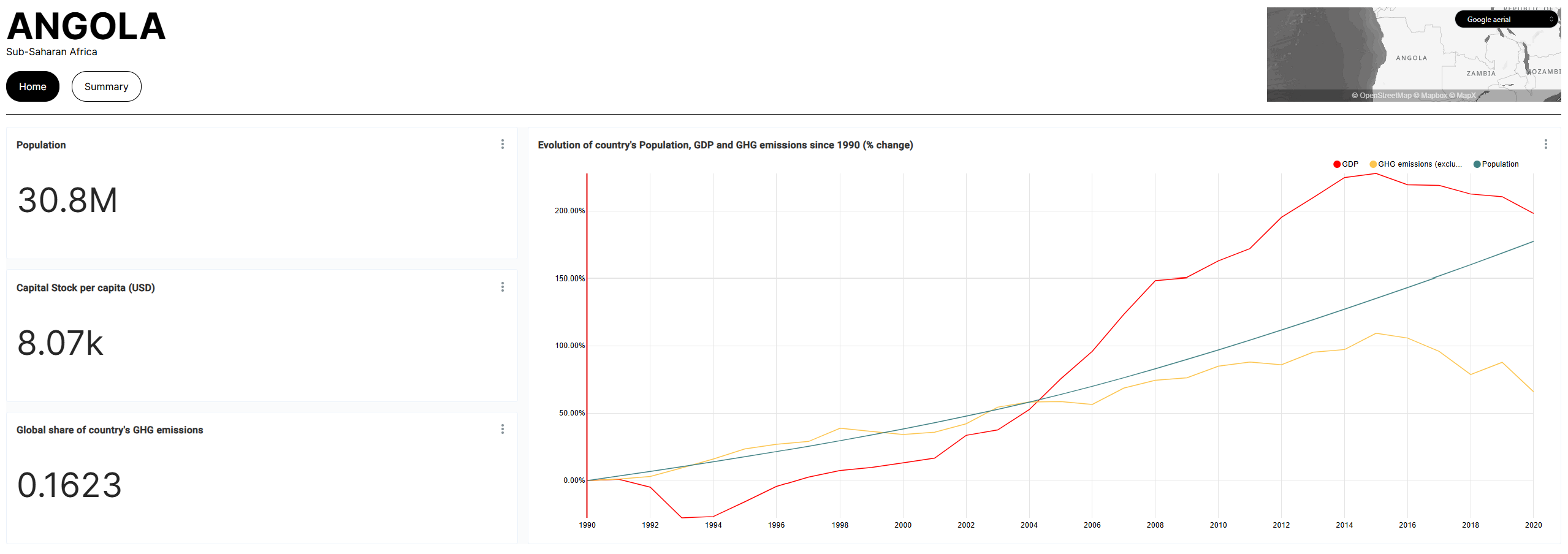
Disaster Risk Platform is a comprehensive tool developed by UNEP that provides detailed country-specific information on natural disaster risks and economic losses worldwide.
This platform offers fact sheets for every country, presenting data on disaster losses by hazard type and exposed assets, helping users understand global disaster risk distribution.
Key Features
- Country Fact Sheets: Comprehensive disaster risk profiles for all countries worldwide
- Global Loss Statistics: Shows $388 billion average annual loss from floods, $119 billion from cyclones, and $205 billion from earthquakes
- Hazard-Specific Data: Detailed information on different types of natural disasters
- Exposed Assets Analysis: Assessment of infrastructure, population, and economic assets at risk
- Interactive Map Viewer: Visual exploration of disaster risk distribution globally
- Regional Coverage: Data organized by continent (Africa, Americas, Asia, Europe, Oceania)
Available Data Types
- Flood Risk: Coastal and riverine flooding impacts and losses
- Cyclone/Hurricane Risk: Tropical storm damage and exposure assessment
- Earthquake Risk: Seismic hazard and vulnerability analysis
- Other Natural Hazards: Drought, wildfire, and other disaster risks
- Economic Impact: Financial losses and damage assessments
- Population Exposure: Number of people at risk from different hazards
Applications
- Disaster Risk Assessment: Evaluate national and regional disaster vulnerability
- Emergency Planning: Support disaster preparedness and response planning
- Investment Risk Analysis: Assess natural disaster risks for infrastructure projects
- Insurance Assessment: Evaluate catastrophic risk for insurance purposes
- Policy Development: Inform disaster risk reduction and climate adaptation policies
- Research and Analysis: Access standardized global disaster risk data
Platform Sections
- Global Overview: Worldwide disaster risk distribution and statistics
- Country Profiles: Detailed fact sheets for individual countries
- Map Viewer: Interactive visualization of disaster risks and exposure
- Regional Analysis: Continent-specific disaster risk assessments
Use Cases
- Government Agencies: National disaster risk reduction planning
- International Organizations: Global disaster risk monitoring and response
- Insurance Companies: Catastrophic risk modeling and pricing
- Development Banks: Infrastructure investment risk assessment
- Researchers: Academic studies on disaster risk and vulnerability
- Emergency Managers: Disaster preparedness and response planning
- Climate Adaptation Planners: Understanding disaster risk under climate change
The Disaster Risk Platform provides essential data for understanding global disaster risk patterns and supporting evidence-based disaster risk reduction and climate adaptation strategies. 2. Explore available features and data layers 3. Select your area of interest for analysis 4. Access relevant data for your specific needs 5. Export or integrate results into your workflow
Use Cases
- Climate risk assessment for businesses and organizations
- Environmental impact evaluation for projects
- Research and analysis for academic and scientific purposes
- Policy development and regulatory compliance
- Educational and training applications
Disaster Risk Platform provides essential capabilities for understanding and addressing climate and nature-related challenges in today's changing world.
