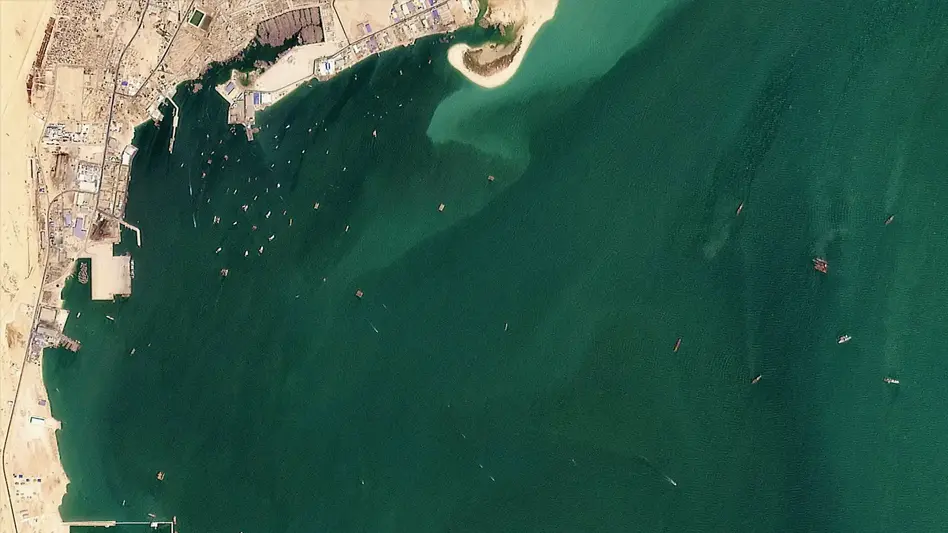
Global Fishing Watch transformed ocean monitoring by making commercial fishing activity visible at global scale — turning the AIS vessel tracking data that ships broadcast for collision avoidance into a near-real-time map of where fishing is happening across the world's oceans.
The organization processes billions of AIS position records using machine learning algorithms trained to distinguish fishing behavior from vessel transit. A trawler dragging nets moves differently than a cargo ship — slower, in overlapping patterns, with abrupt direction changes. GFW's models classify these behavioral signatures to produce fishing effort estimates at 0.1-degree grid resolution, updated daily.
The practical significance for ocean governance is substantial. Before GFW, fisheries managers largely relied on vessel logbooks and port landing data — records that vessels submitted themselves and that were often incomplete or manipulated. GFW provides independent, satellite-derived evidence of where fishing is actually occurring, which flag states, and how much time vessels spend in different zones. This information supports enforcement of Marine Protected Areas, EEZ regulations, and fishing agreements.
The vessel database links AIS identities to registry records, enabling analysis by flag state, vessel type, and gear category. For a given ocean region, it's possible to see which countries' fleets dominate fishing activity, how that has changed over time, and whether specific vessels have histories of operating in sensitive zones.
GFW also publishes research on dark vessels — those that appear to have disabled their AIS transponders, a behavior that can indicate fishing in unauthorized areas. By cross-referencing AIS gaps with radar satellite detections from Sentinel-1, GFW identifies vessels that appear to be intentionally avoiding tracking.
All data is available through the GFW data portal and API, with a map visualization platform that enables interactive exploration without technical setup.
