Data Sources/Buildings

Buildings Data

Overture Maps offers open, high-quality map data by integrating contributions from various organizations, ensuring comprehensive and accurate geospatial information.

Buildings

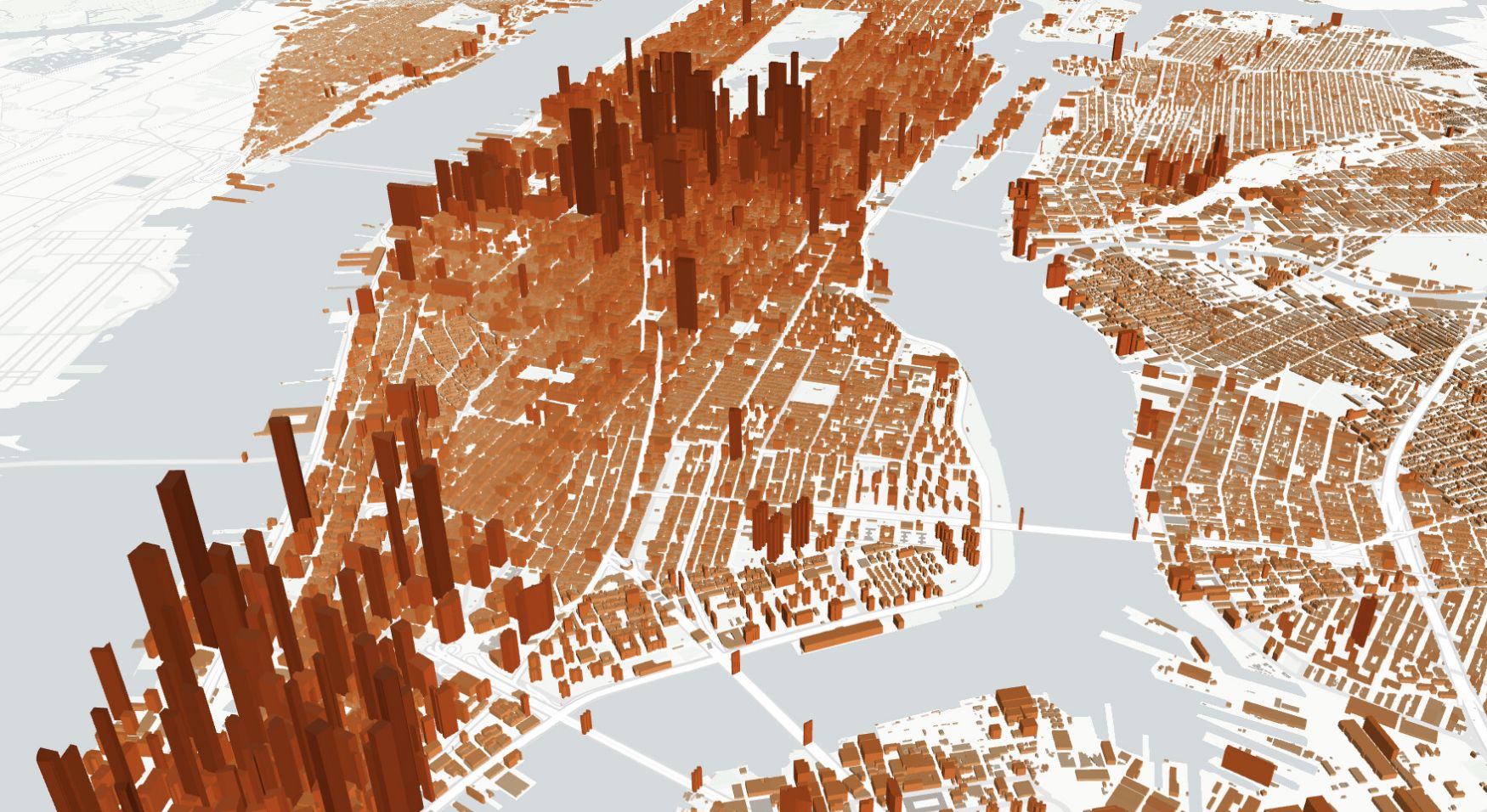
Overture Maps’ Buildings dataset contains over 2.6 billion building features from around the world. It merges data from sources like OpenStreetMap, Microsoft, Google, Esri, and Zenodo. Each building is represented as a polygon or multipolygon and includes detailed attributes such as estimated height, number of floors, usage type (residential, commercial, industrial), and source information. The dataset also distinguishes between full buildings and parts of buildings, like annexes or separate wings.

You can import Buildings data from Overture Maps directly through Atlas’ Overture Maps integration. This lets you load global building footprints into your Atlas project with just a few clicks. Whether you’re working on urban development, disaster planning, or infrastructure mapping, the integration makes it easy to access high-quality building data without leaving your browser.


Details

CoverageGlobal
Layer TypeVector
Update FrequencyMonthly
Categories
Infrastructure
Use data in Atlas

Discover more data sources

FEMA Flood Maps

Official U.S. flood hazard zones, base flood elevations, and floodplain boundaries used for insurance and planning.

Mapping, Climate

planet.osm

Continually updated snapshot of the data collected by OpenStreetMap (OSM)

Mapping

OpenStreetMap

OpenStreetMap (OSM) is one of the best free and open-source geospatial data sources. With constantly updated roads, buildings, and land use data, OSM is perfect for GIS, urban planning, navigation, and research. It offers global coverage, multiple formats, and developer-friendly APIs. Whether you need offline maps, real-time updates, or detailed geographic features, OSM is an essential tool for spatial analysis.

Mapping

Copernicus Open Access Hub

Copernicus Open Access Hub provides free, high-resolution satellite imagery from the Sentinel satellite program.

Remote Sensing

National Land Cover Database (NLCD)

U.S. land cover and land change data at 30-meter resolution, updated every 2–3 years since 2001.

Remote Sensing, Mapping

FIRMS

Near real-time active fire detections from NASA satellites, updated multiple times daily with 3–4 hour latency.

Remote Sensing, Climate

American Community Survey

The American Community Survey (ACS) provides detailed U.S. demographic and socioeconomic data ideal for GIS analysis.

Demographic

ACLED — Armed Conflict Location & Event Data

ACLED (Armed Conflict Location & Event Data Project) provides free real-time data on political violence, conflict events, and protests globally. Used by researchers, NGOs, governments, and journalists to track and analyze conflict patterns with precise location and date information.

Conflict, Humanitarian, Real-time