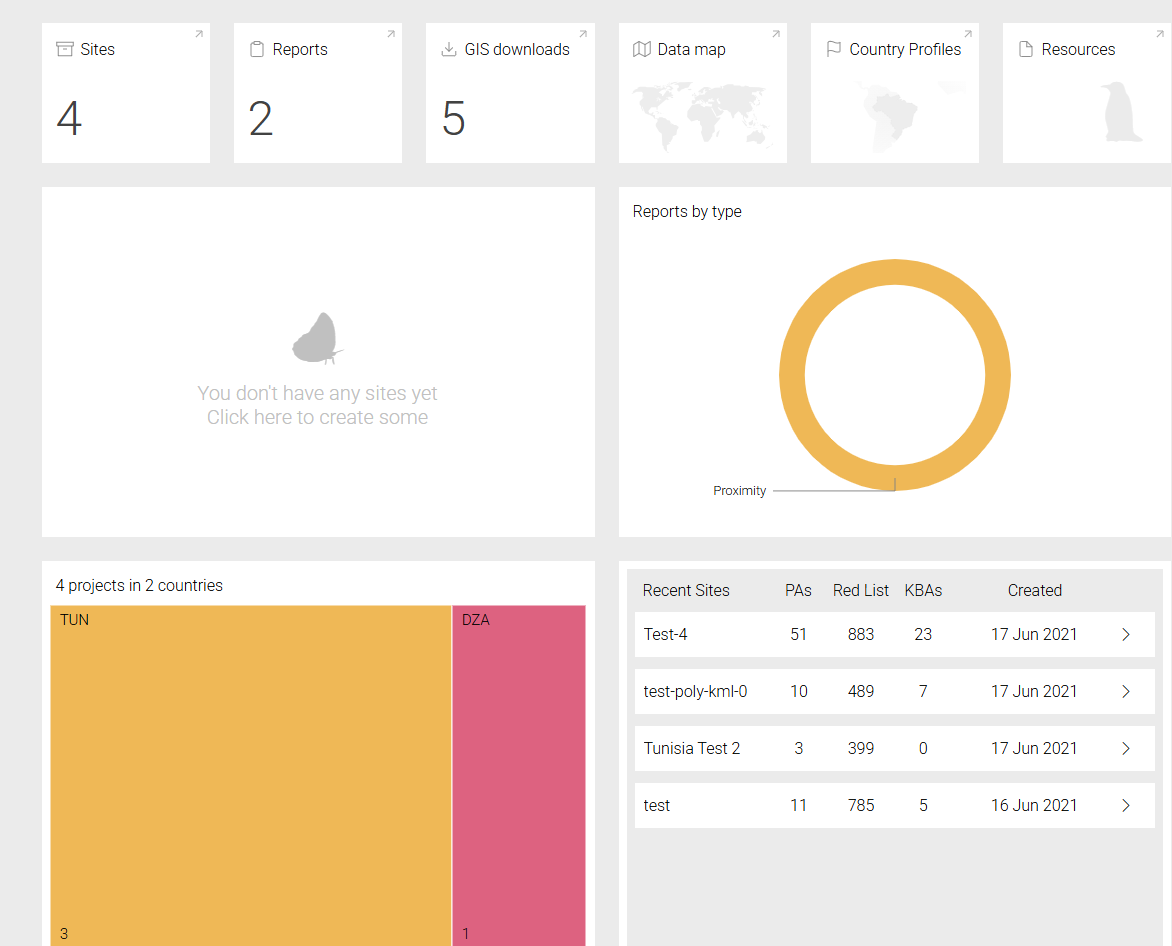
IBAT (Integrated Biodiversity Assessment Tool) is the world's most authoritative biodiversity data platform that provides access to trusted, validated biodiversity datasets for nature-related risk assessment and conservation planning.
Developed through a partnership between BirdLife International, Conservation International, IUCN, and UN Environment Programme World Conservation Monitoring Centre (UNEP-WCMC), IBAT offers unique access to gold-standard biodiversity data informed by hundreds of scientists worldwide.
Whether you're conducting environmental impact assessments, nature-related risk screening, or conservation planning, IBAT provides the essential biodiversity intelligence needed for informed decision-making.
1. World-Leading Biodiversity Datasets
IBAT provides access to three authoritative global biodiversity databases:
World Database on Protected Areas (WDPA):
- Comprehensive global inventory of protected areas
- Marine and terrestrial conservation sites
- Management effectiveness and governance information
- Real-time updates from protected area authorities
IUCN Red List of Threatened Species:
- Extinction risk assessments for over 150,000 species
- Population trends and threat information
- Species distribution maps and ranges
- Conservation status classifications
World Database of Key Biodiversity Areas (KBAs):
- Sites critical for global biodiversity conservation
- Species-specific and ecosystem-level importance
- Threat assessments and conservation priorities
- Alliance for Zero Extinction sites
2. Nature-Related Risk Assessment
IBAT specializes in biodiversity risk screening for organizations:
Site-Level Analysis:
- Proximity analysis to sensitive biodiversity areas
- Species occurrence data for project locations
- Protected area overlap assessment
- Threat level evaluation
Supply Chain Screening:
- Commodity sourcing risk assessment
- Supplier location biodiversity screening
- Deforestation risk evaluation
- Biodiversity hotspot identification
3. Corporate Reporting and Disclosure
IBAT supports nature-related financial reporting:
- TNFD (Taskforce on Nature-related Financial Disclosures) reporting
- CSRD ESRS (Corporate Sustainability Reporting Directive)
- GRI biodiversity indicators
- Science-based targets for nature
- Disclosure preparation reports and analysis
4. Advanced Analysis Tools
The platform includes sophisticated analysis capabilities:
- Proximity buffers and distance analysis
- Species richness calculations
- Threat level assessments
- Conservation priority scoring
- Custom reporting and data export
- GIS integration for spatial analysis
5. Expert Support and Services
IBAT offers professional services beyond data access:
- Biodiversity impact assessments
- No net loss/net positive planning
- Offset site identification
- Conservation strategy development
- Training and capacity building
Getting Started with IBAT
- Request a demo at ibat-alliance.org
- Select subscription level based on needs
- Upload project locations for analysis
- Run biodiversity risk assessments
- Generate reports for decision-making and disclosure
Use Cases
- Environmental Impact Assessment: Screen projects for biodiversity risks
- Nature-Related Financial Disclosure: Support TNFD and CSRD reporting
- Supply Chain Risk Management: Assess biodiversity impacts across operations
- Conservation Planning: Identify priority areas for protection
- Investment Screening: Evaluate biodiversity risks in portfolios
- Offset Planning: Design biodiversity compensation strategies
IBAT transforms how organizations understand and manage their relationship with nature, providing the trusted biodiversity data needed for responsible business practices and effective conservation.
