Data Sources/European Space Agency

European Space Agency

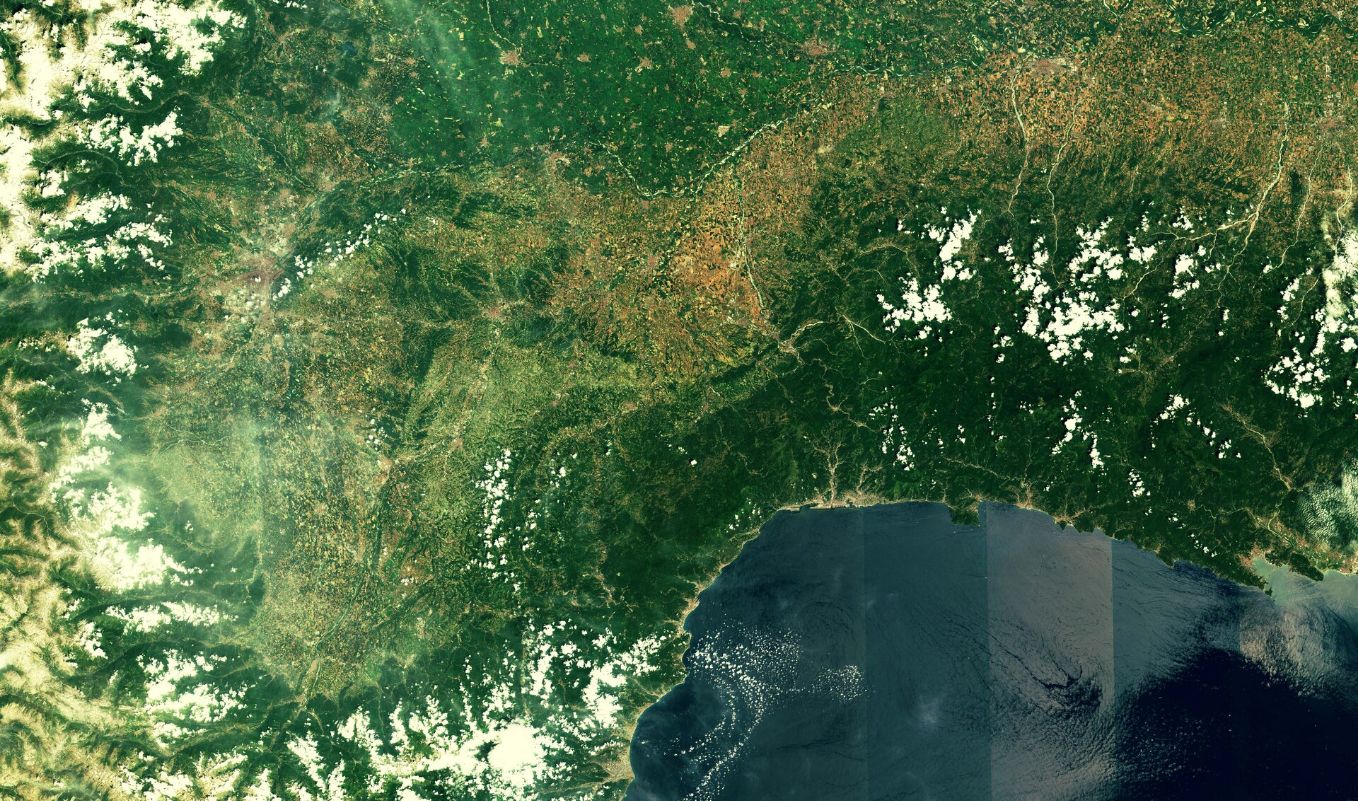
ESA Earth Observation Data provides free, high-resolution satellite imagery from the Sentinel missions, covering land, ocean, and atmosphere. With data for climate monitoring, disaster response, and GIS applications, it's a top resource for researchers and professionals.

Environmental Monitoring

Track environmental changes including deforestation, pollution levels, and ecosystem health using Earth observation data.

Climate Analysis

Analyze climate patterns, weather trends, and atmospheric conditions for research, risk assessment, and long-term planning.

Disaster Response

Support rapid disaster assessment, emergency management, and recovery efforts with real-time and historical hazard data.

European Space Agency

The European Space Agency (ESA) is the space component behind the Copernicus programme and the organization responsible for building, launching, and operating the Sentinel satellites.

While Copernicus is the EU-funded programme that sets the data policy and funds the thematic services, ESA manages the missions themselves — and maintains an Earth observation archive that stretches back over 30 years when including legacy missions like ERS and Envisat. For GIS professionals, this means ESA is both the source of the most widely used free satellite imagery today and a gateway to historical records that predate the Sentinel era.

What makes the ESA ecosystem particularly valuable is the range of sensing modalities under one open data policy: optical multispectral, synthetic aperture radar, ocean altimetry, atmospheric chemistry, soil moisture, and polar ice monitoring all come from ESA-operated missions. This lets you build multi-sensor analyses — combining radar-based flood detection with optical land cover change, or pairing atmospheric pollution data with surface temperature observations — without navigating different licensing terms or data providers.

The archive depth also supports long-term trend studies: linking Envisat records from the 2000s with current Sentinel data gives you two decades of comparable observations for climate, coastal, and land surface research.

Frequently Asked Questions

Sentinel satellite data (radar, optical, atmospheric), legacy mission archives (ERS, Envisat), CryoSat ice data, SMOS soil moisture, and derived products like global land cover maps (ESA WorldCover).

Yes. ESA has adopted a free and open data policy for all Sentinel and most legacy mission data. Access requires free registration on the Copernicus Data Space or ESA portals.

ESA is the space agency that builds and launches the Sentinel satellites. Copernicus is the EU programme that funds the missions and operational data services. ESA manages the space component of Copernicus.

SAFE format (Sentinel standard), GeoTIFF, NetCDF, and various level-1 and level-2 product formats depending on the mission and processing level.

Through the Copernicus Data Space Ecosystem for Sentinel data, ESA's Earth Online for legacy missions, and third-party platforms like Google Earth Engine and AWS.

Details

CoverageGlobal
Layer TypeRaster
Update FrequencyEvery 5-12 days
Categories
Remote Sensing
Visit sourceUse data in Atlas

Discover more data sources

FAO GeoNetwork

FAO GeoNetwork provides free, high-quality geospatial data for agriculture, food security, land use, and climate research. With global datasets, interactive maps, and GIS-ready formats, it's an essential tool for researchers, policymakers, and sustainability experts.

Biodiversity, Climate

Carbon Monitor

Carbon Monitor provides near-real-time estimates of daily CO₂ emissions from fossil fuel combustion and cement production globally, broken down by country and sector. Updated within days of occurrence, it enables tracking of emissions trends, policy impacts, and pandemic-related changes.

Climate, Environmental, Real-time

FEMA Flood Maps

Official U.S. flood hazard zones, base flood elevations, and floodplain boundaries used for insurance and planning.

Mapping, Climate

Global Flood Database

The Global Flood Database offers satellite-derived maps of 913 flood events from 2000 to 2018, detailing extent and duration.

Demographic

GEBCO

Global ocean bathymetry at 15 arc-second resolution from the General Bathymetric Chart of the Oceans.

Elevation

Global Forest Watch

Global Forest Watch (GFW) is a free, real-time forest monitoring platform providing satellite data on deforestation, wildfires, and land use.

Biodiversity

GBIF

Over 2.5 billion georeferenced species occurrence records from the world's largest open biodiversity platform.

Biodiversity

Global Administrative Areas

Global Administrative Areas (GADM) provides free, high-resolution administrative boundary data for every country. With detailed subdivisions, multi-level GIS support, and global coverage, it's a must-have resource for urban planning, policy research, and geospatial analysis.

Mapping