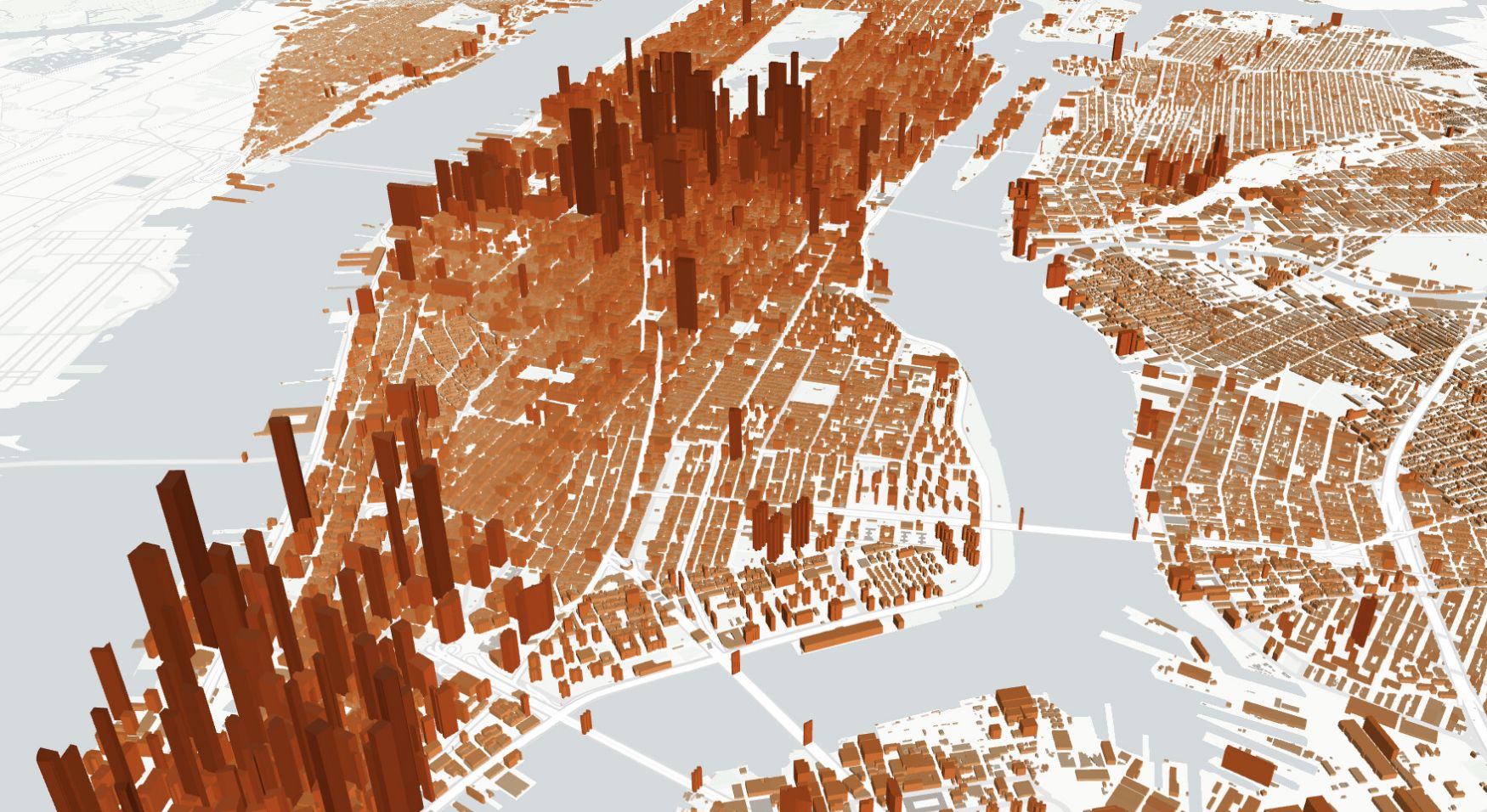
Kontur takes a different approach to global population data than sources like WorldPop or census-derived grids: it maps population density to Uber's H3 hexagonal grid at 400-meter resolution, fusing inputs from GHSL, Meta's High Resolution Settlement Layer, and Microsoft Building Footprints into a single harmonized product updated daily.
The hexagonal grid matters because it provides uniform spatial units with consistent neighbor relationships and no distortion at different latitudes — problems that plague square raster grids. For analysts running spatial aggregation, proximity analysis, or multi-criteria site selection, H3 hexagons produce cleaner results and scale smoothly from neighborhood-level to continental analysis without changing the underlying geometry.
Beyond population, Kontur publishes infrastructure layers derived from OpenStreetMap, climate risk data (temperature extremes, thermal anomalies), and business indicators — all on the same H3 grid. This consistency across themes is what makes Kontur particularly practical for site selection and disaster response workflows: you can overlay population density, infrastructure coverage, and climate risk in a single analysis without reconciling different spatial units or reprojecting between datasets.
The population layer in particular has become a standard reference for humanitarian organizations and disaster response teams who need rapid, globally consistent estimates of how many people are affected by an event — and the daily update cycle means the data reflects the latest available building footprint and settlement information.