Felt Alternative
A faster, data-ready alternative to Felt—designed for analysis, automation, and team workflows

Why teams compare Felt to Atlas
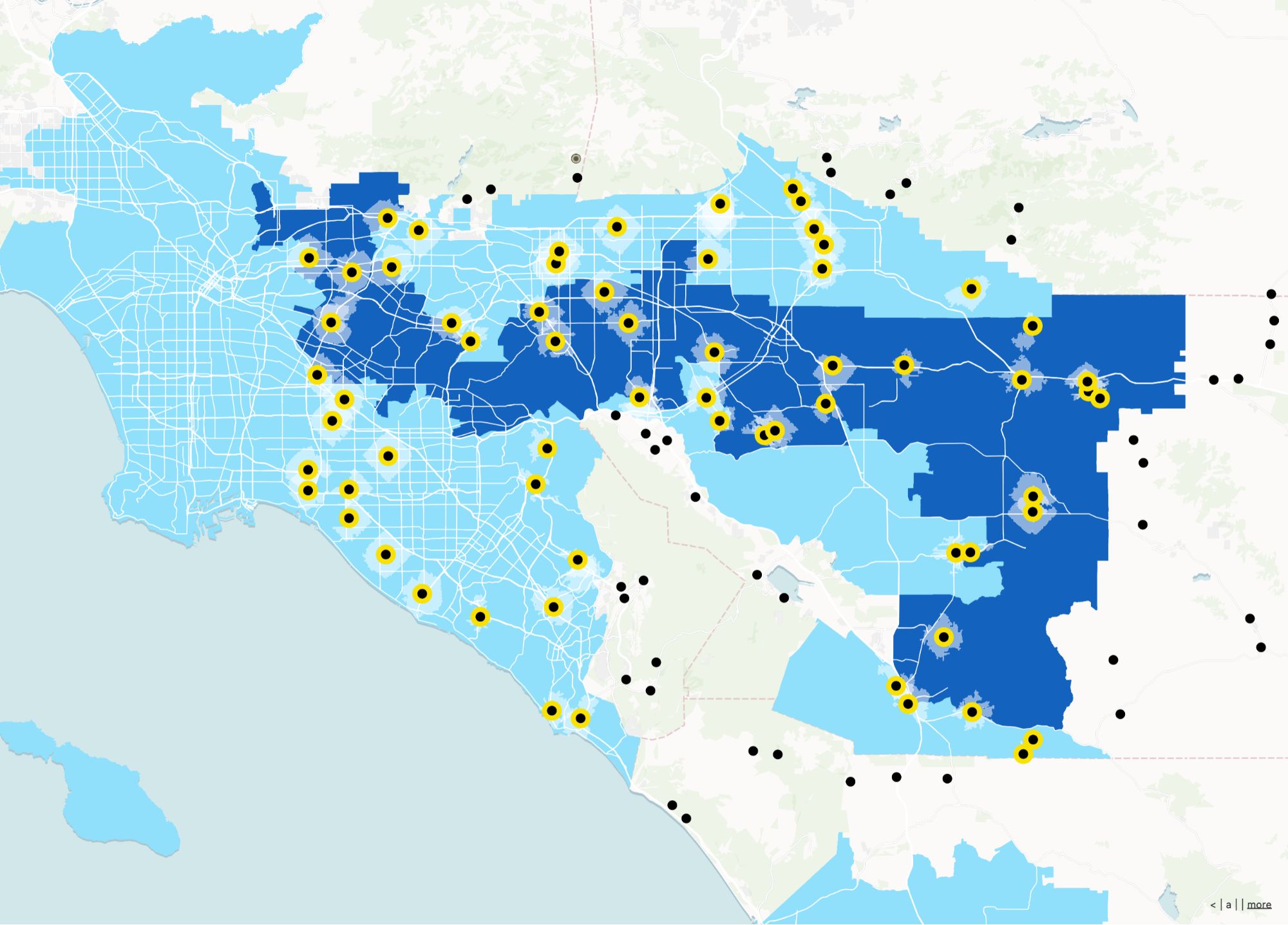
Felt made collaborative web mapping exciting. Atlas targets teams that need operational depth—permissions, field workflows, and apps beyond a shared canvas.
Operational rigor
Patterns for ongoing programs, not only exploratory mapping.
Field + office
Close the loop between people on the ground and HQ.
No-code app layer
Dashboards, filters, and embeds for repeat use.
Felt vs Atlas
Compare Felt and Atlas on core mapping and collaboration features.
| Feature | Felt | Atlas |
|---|---|---|
| Collaborative map editing | ||
| Upload spatial and tabular data | ||
| No-code workflows | ||
| Form builder | ||
| Multiple data layers | ||
| Interactive filters | ||
| Custom layer styling | ||
| Mobile access | ||
| Cloud-based | ||
| Free to use |
Make data-first maps that move faster
Atlas is built to handle complex layers, smart filters, and team workflows—without slowing you down or locking you in.
Start mapping now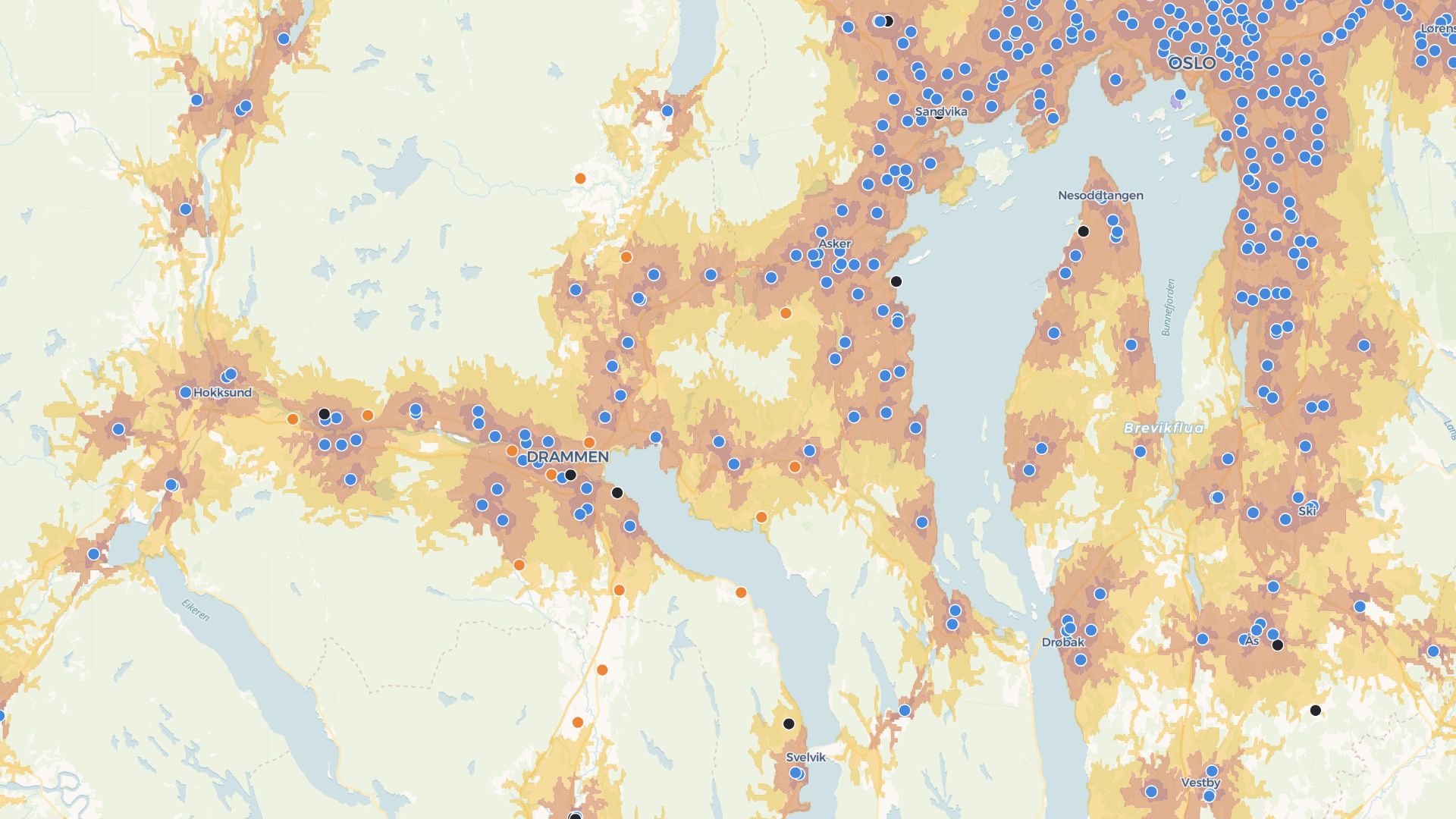
Build tools and workflows, not just maps
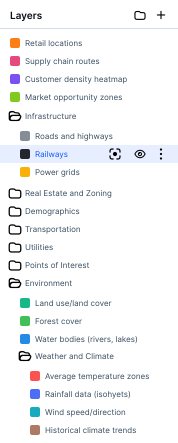
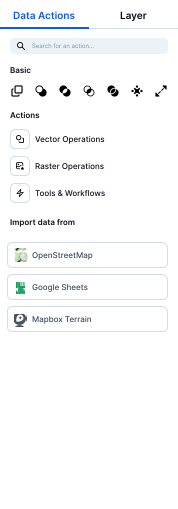
Atlas lets you go beyond visuals—create forms, run logic, and connect maps to real work. All in your browser.
Build your first toolWho evaluates Atlas vs Felt
Climate & sustainability teams
Programs that mix narrative maps with hard data.
Infrastructure orgs
Maps that connect to maintenance and reporting.
Cross-functional projects
GIS, comms, and ops in one workspace.
Atlas for production mapping
Beautiful maps plus the workflows organizations run daily.
Team workspaces
Projects with membership and lifecycle.
Data pipelines
Layers you can refresh and govern.
Embeds
Drop live maps into sites and docs.
No-code UX
Interfaces your whole org can use.
Mobile-friendly
Maps that work where teams are.
Styling depth
Controls tuned for clarity at every zoom.
Frequently asked questions
Answers for users comparing Felt and Atlas.
Can I upload shapefiles or spreadsheets?
Can I collaborate on a map?
Is it easier than Felt?
Can I automate map logic?
Can I control the styling?
Is it free to use?

© Atlas 2026 / Your all-in-one map builder